Unraveling Travel Schedule Disruptions Across Overseas Soccer Circuits for Refined Match Forecasts
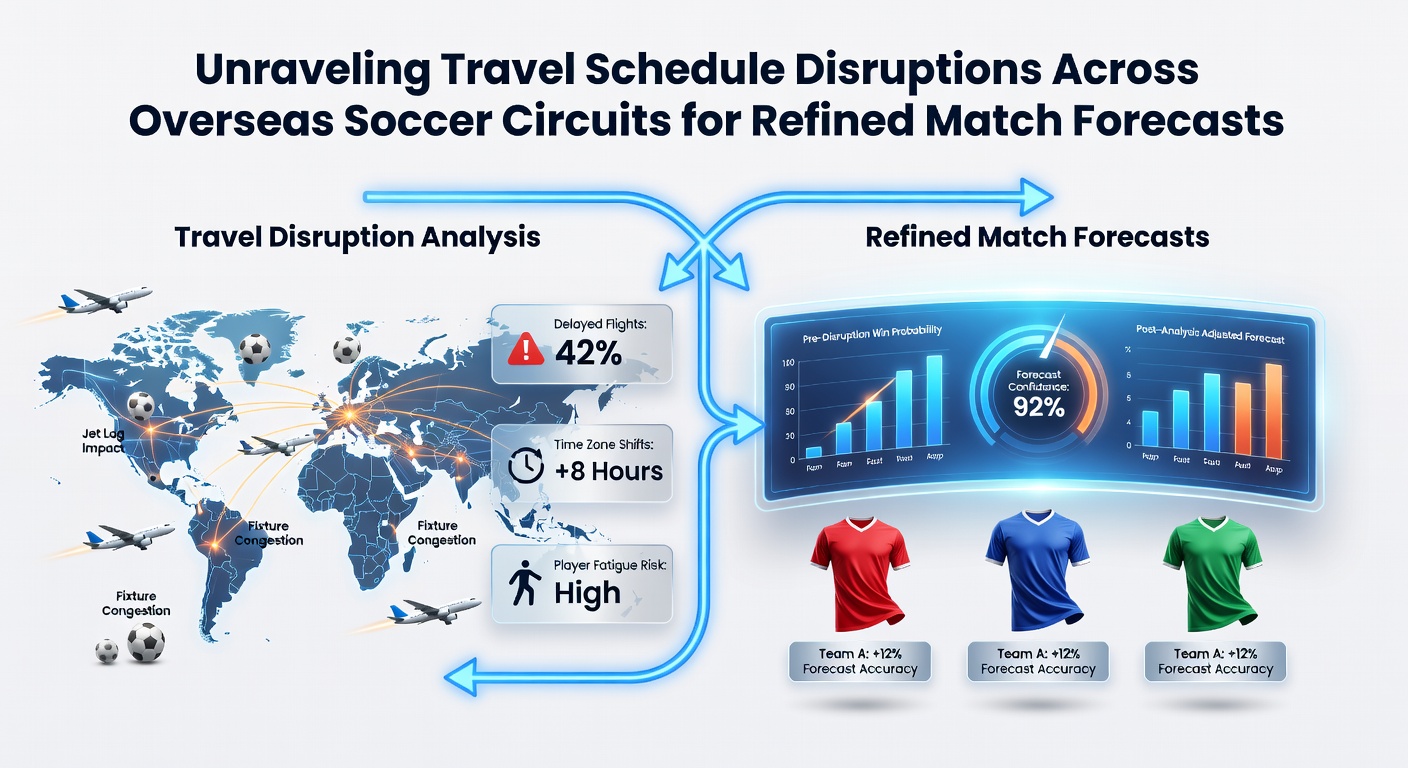
Travel disruptions in overseas soccer circuits create measurable effects on team performance and require careful analysis for accurate match predictions, with data from recent seasons showing clear patterns in recovery times and results after long-haul journeys. Teams crossing multiple time zones face challenges that include jet lag, disrupted sleep cycles, and altered training routines, all of which influence physical output during competitive fixtures.
Understanding the Scope of Overseas Travel in Soccer
Modern soccer schedules often send clubs and national teams across continents for tournaments, friendlies, and league obligations, particularly when circuits expand into Asia, Australia, and North America during off-season windows. Researchers tracking performance metrics note that flights exceeding eight hours correlate with reduced high-intensity running distances in the first 48 hours after arrival, according to studies compiled by sports science groups in Europe and Australia.
Coaches and analysts review historical data from circuits like the International Champions Cup and preseason tours to identify recurring issues, and these records reveal that teams traveling westward tend to experience longer adjustment periods compared to eastward movements because of the way circadian rhythms shift. Observers note that schedule planners now build in extra recovery days when possible, yet compressed calendars in 2025 and 2026 continue to limit those buffers.
Key Factors Affecting Player Readiness
Jet lag stands out as a primary disruptor, with symptoms including fatigue, reduced reaction times, and altered hydration levels that compound during humid or high-altitude venues common in overseas stops. Data from performance tracking systems indicate that players logging fewer than six hours of quality sleep in the first night post-flight show measurable drops in sprint speed and pass accuracy during subsequent sessions.
Nutrition and training load adjustments also play roles, as teams adapt meal times and light exposure protocols to accelerate adaptation, yet logistical hurdles such as delayed baggage or venue access can still throw off these plans. One study from an academic sports research center found that squads implementing structured light therapy recovered baseline metrics roughly 24 hours faster than those relying on standard rest alone.
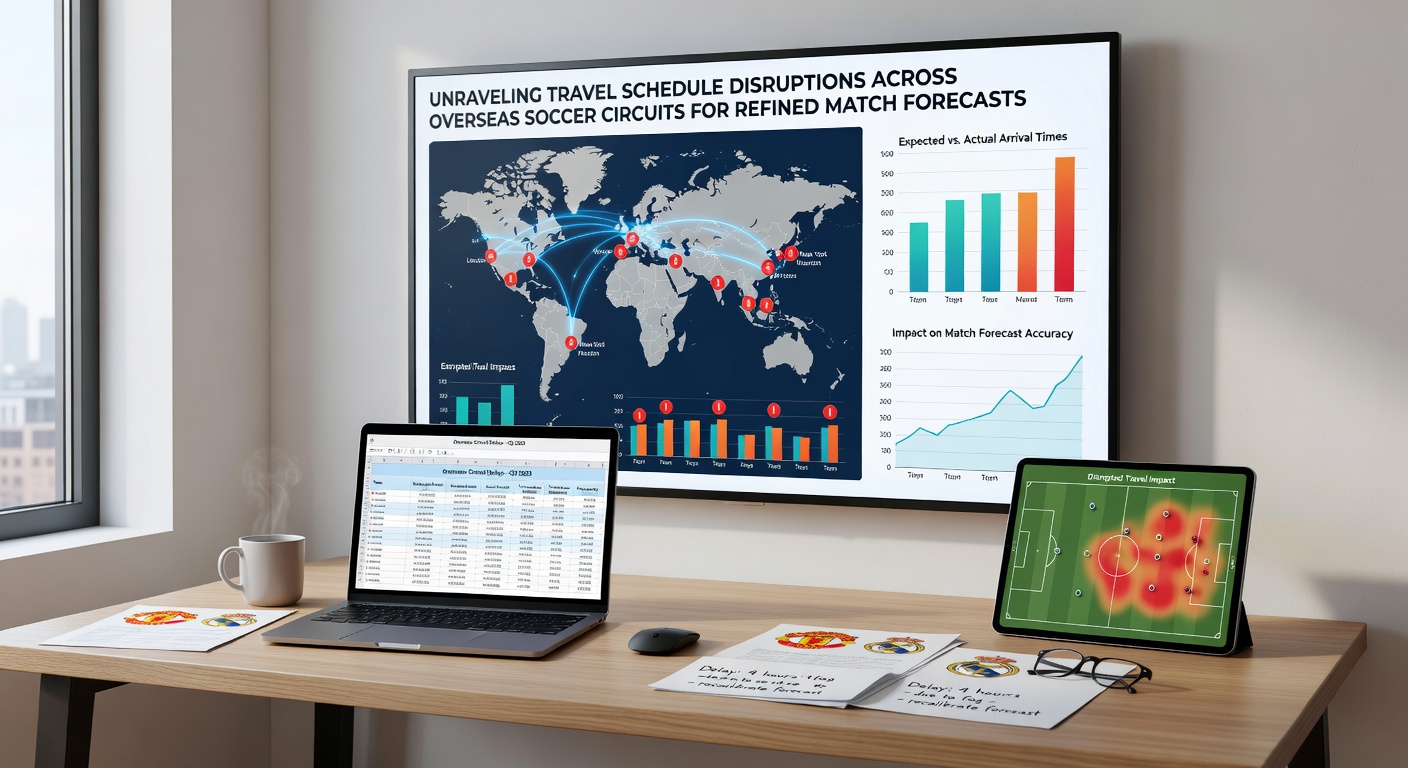
Weather transitions add another layer, especially when teams move from temperate climates to tropical or arid conditions mid-circuit, and forecasters incorporate humidity forecasts alongside flight duration to refine expected goal and shot volume projections. Those who've examined multiple seasons of data observe that away sides in such scenarios often concede more set-piece opportunities in the opening half.
Incorporating Travel Data into Forecasting Models
Advanced prediction frameworks now integrate travel variables such as total air miles, time zone changes, and layover counts as weighted inputs alongside traditional form and head-to-head statistics. Analysts apply regression models to past results from circuits involving European clubs visiting Asian venues, revealing consistent underperformance margins in the 10 to 15 percent range for teams arriving within 72 hours of kickoff.
Real-time updates from league scheduling bodies help refine these models as disruptions occur, whether from airline strikes or weather-related reroutes that extend journeys beyond original plans. In May 2026, several clubs wrapping up European campaigns prepared for exhibition matches in North America and Southeast Asia, giving forecasters fresh datasets to test against earlier assumptions about recovery windows.
Case examples from recent tours demonstrate how mid-circuit schedule shifts altered expected outcomes, with teams that secured extra rest days posting higher clean-sheet rates than initially projected. External reports from organizations like the Australian Institute of Sport have documented similar patterns in endurance sports, providing cross-disciplinary benchmarks that soccer analysts adapt for their own simulations.
Practical Applications for Match Analysts
Professionals building refined forecasts examine granular elements including departure times, cabin class availability, and even hotel proximity to training grounds when assessing readiness levels. These details combine with video analysis of prior post-travel performances to generate probability adjustments for win, draw, and goal totals.
Teams that publish transparent training reports after long flights offer additional signals, allowing observers to track load management strategies and spot potential vulnerabilities in defensive organization. Data aggregation platforms compile such information across multiple circuits, producing trend lines that highlight which squads adapt quickest to specific travel profiles.
Conclusion
Travel schedule disruptions across overseas soccer circuits continue to shape match results in measurable ways, and forecasters who systematically factor flight details, recovery timelines, and environmental shifts into their models gain clearer edges in outcome projections. Ongoing collection of performance data from 2026 tours will further refine these approaches as leagues and clubs balance global expansion with player welfare considerations.