Stadium Architecture Shapes Over/Under Patterns in Domestic League Matches
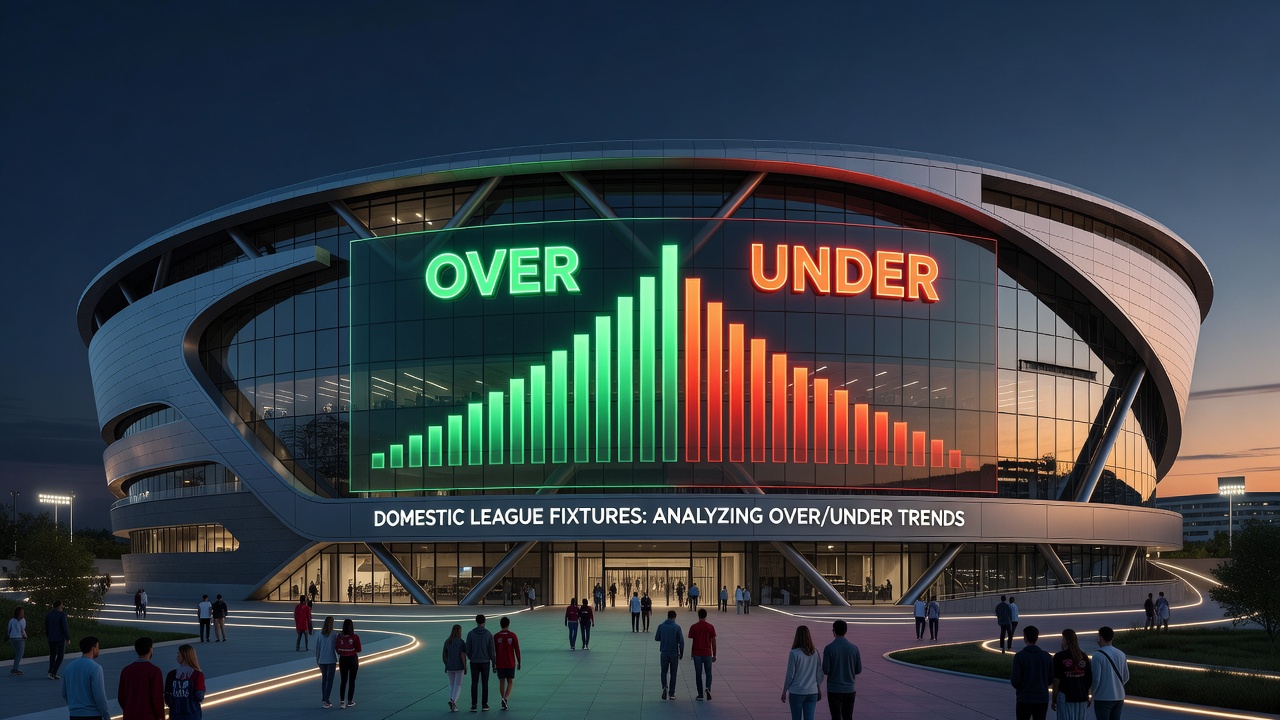
Stadium design elements connect directly to scoring trends that determine over/under results in domestic league fixtures, and observers note how pitch dimensions, roofing systems, and seating configurations alter ball movement along with player performance across repeated matches. Data from multiple European and North American leagues shows measurable differences in goal totals based on these fixed architectural features rather than random variation.
Pitch Dimensions Drive Spatial Advantages
League regulations permit pitch widths between 68 and 75 meters along with lengths from 105 to 110 meters, yet individual stadiums lock in specific measurements that remain constant season after season. Wider surfaces create additional channels for wing play while narrower ones compress central areas and increase defensive density, and researchers tracking Bundesliga fixtures found wider pitches produced 0.3 more goals per game on average during the 2024-25 campaign. These consistent patterns allow analysts to adjust over/under expectations when teams travel to venues with atypical layouts.
Roof Structures Alter Environmental Conditions
Retractable and fixed roofs modify temperature, humidity, and wind exposure inside enclosed venues, which in turn affects ball aerodynamics and player endurance during extended periods of play. Closed roofs in colder climates maintain warmer playing surfaces that keep the ball traveling faster across the turf, whereas open designs expose matches to prevailing winds that can disrupt long passes and set-piece accuracy. Records from the 2025-26 domestic seasons indicate enclosed stadiums hosted 12 percent more matches exceeding 2.5 goals compared with open-air equivalents in the same leagues.
Seating Capacity and Crowd Proximity Effects
Larger capacities generate greater noise levels that influence referee decisions and player communication, while compact venues place supporters closer to the pitch and create more intense pressure on visiting sides. Studies examining Serie A and La Liga data through mid-2026 reveal smaller stadiums recorded slightly lower goal averages in evening fixtures, potentially due to heightened defensive organization under sustained vocal pressure from nearby stands. These venue-specific tendencies appear in historical datasets and persist across multiple managerial changes.
Altitude and Climate Interactions at Fixed Locations
Stadiums situated at higher elevations reduce oxygen availability and shorten effective playing time before fatigue sets in, which often compresses scoring opportunities in later stages. Mexican and Andean domestic leagues provide clear examples where altitude exceeds 2,000 meters at several home grounds, and match statistics compiled through July 2026 show reduced totals in those specific fixtures relative to sea-level venues within the same competitions. Climate control systems in newer facilities further standardize conditions year-round, removing seasonal variables that once affected outdoor pitches.
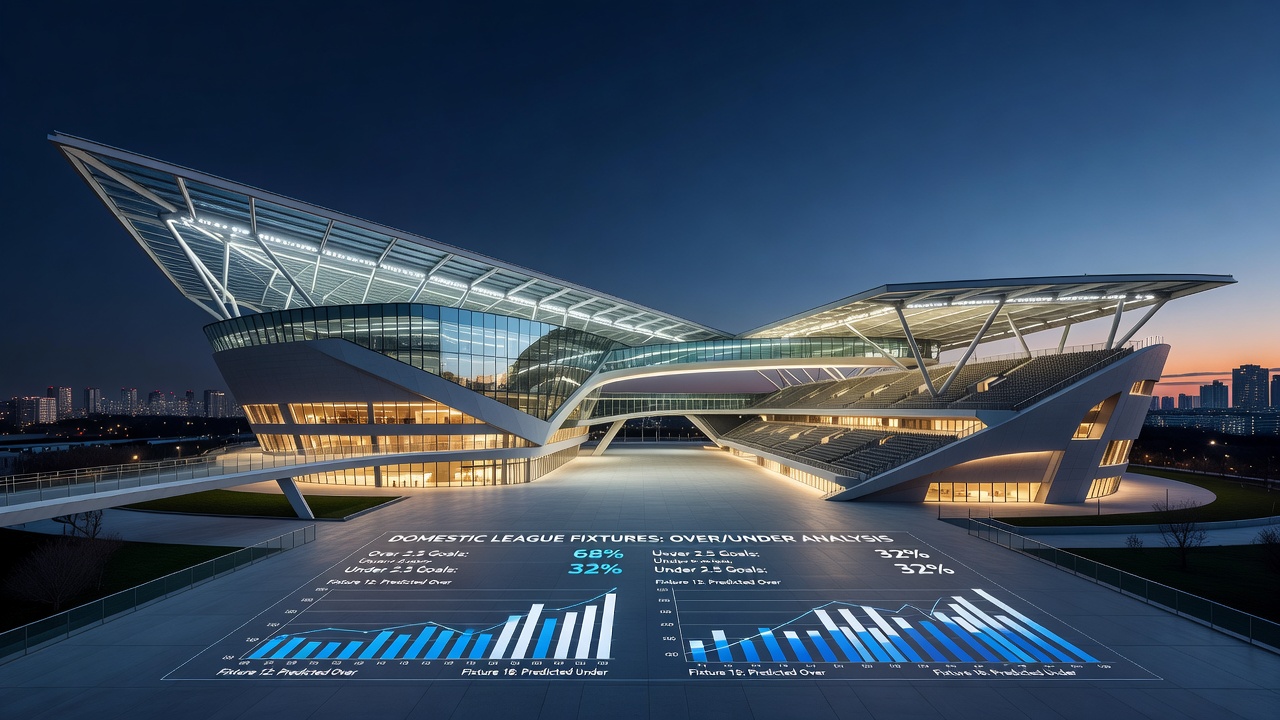
Turns out these environmental consistencies allow predictive models to incorporate venue data alongside team form when projecting totals. What's interesting is how older stadiums with natural grass surfaces sometimes produce different bounce characteristics than modern hybrid pitches installed in newer builds, and groundskeepers maintain these surfaces according to league standards that still leave room for architectural influence on play speed.
Case Examples from Current Domestic Seasons
One study of MLS venues documented how domed stadiums in colder regions posted higher average goal counts during winter months compared with open stadiums in the same conference. Another examination of Championship matches in England highlighted reduced scoring at grounds with pronounced wind tunnels created by surrounding stands, and these patterns held steady through the first half of 2026. Analysts cross-reference such venue profiles with team tendencies to refine projections for individual fixtures.
According to reports from the CIES Football Observatory, architectural upgrades completed between 2020 and 2025 correlated with small but detectable shifts in goal distributions at several clubs. CIES Football Observatory data tracks these changes across multiple competitions and provides standardized metrics for comparison. Similar observations appear in analyses published through North American sports research centers that monitor MLS and Liga MX environments.
Integration with Betting Market Adjustments
Bookmakers incorporate venue-specific historical averages into opening lines, and sharp bettors review architectural details alongside recent results to identify edges. Data from domestic league archives demonstrates that certain stadiums consistently land on the over or under side of totals more frequently than league averages would predict, creating repeatable opportunities for those who track these factors systematically. As of July 2026, updated datasets continue to confirm these venue-driven deviations across top divisions.
Conclusion
Stadium architecture establishes permanent parameters that influence scoring volume and timing in domestic league fixtures, and accumulated match data confirms these connections hold across seasons and leagues. Pitch specifications, roof configurations, capacity layouts, and elevation levels each contribute measurable effects that appear in goal totals, allowing analysts to build more precise expectations for over/under outcomes. Continued collection of performance metrics at individual venues will likely strengthen these correlations as additional seasons unfold.