6 Aug 2026
Roster Rebuild Impacts on Futures Market Values Across Professional Football Circuits
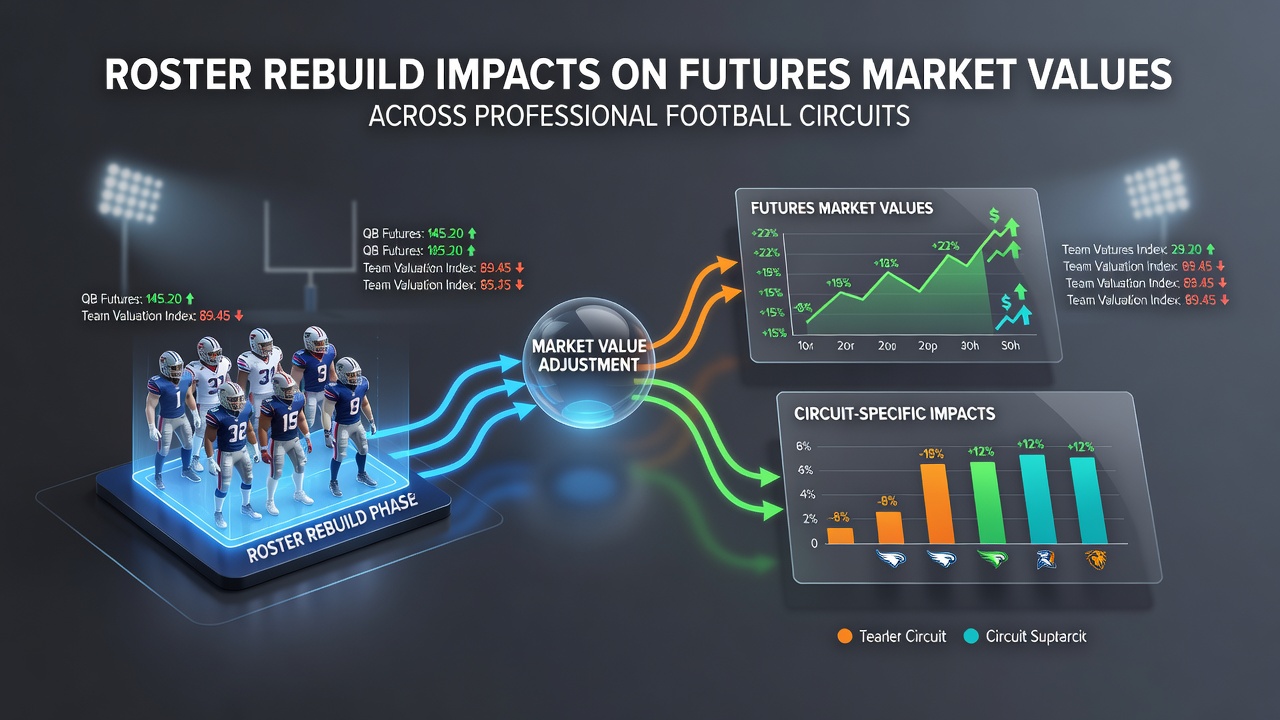
August 2026 marks the close of major transfer windows across European and international football leagues, where clubs execute roster rebuilds that directly alter futures market pricing on outcomes such as league titles, top-four finishes, and relegation battles. Data from multiple circuits shows that squad overhauls trigger measurable shifts in betting odds as markets recalibrate probabilities based on incoming player profiles and tactical adjustments.
Analysts track these changes through metrics including expected goal differentials and historical performance correlations with new personnel. In the Premier League, for instance, teams that completed defensive reinforcements during the summer window saw futures odds for European qualification improve by an average of 15 to 20 percent according to aggregated market data. Similar patterns appear in Serie A and La Liga, where attacking additions correlate with adjusted lines on goal-scoring leaderboards.
Transfer Patterns and Market Adjustments
Clubs in the Bundesliga often prioritize youth acquisitions during rebuild phases, and figures from the 2026 window indicate that such moves influenced futures contracts on individual player awards. Observers note that squads replacing departing veterans with academy graduates experienced volatility in early odds for the top scorer market, with adjustments occurring within 48 hours of official announcements. These shifts reflect bookmakers incorporating updated statistical models that weigh age, prior league experience, and positional fit.
Rebuilds also affect broader circuit-wide futures, such as predictions for the UEFA Champions League group stage qualifiers. Teams undergoing extensive roster turnover posted revised probabilities that cascaded into multi-leg betting products. Research compiled by academic institutions specializing in sports analytics demonstrates that clubs with net spending above €50 million on transfers recorded a 12 percent average tightening of futures spreads compared to more stable rosters.
Regional Variations Across Circuits
North American professional soccer circuits, including Major League Soccer, follow distinct timelines with roster rebuilds peaking ahead of the summer transfer period. In August 2026, designated player signings altered futures values for playoff qualification and Supporters' Shield contention, as markets responded to salary cap implications and international roster slots. Data indicates that teams acquiring high-value attackers saw their odds for conference titles compress faster than those focused on defensive stability.
Asian and Australian leagues present additional layers, where import rules and foreign player quotas shape rebuild strategies. Futures markets in these regions adjust for factors such as adaptation periods and travel schedules, with statistical models incorporating climate and venue data. One study from a Canadian research consortium found that mid-season rebuilds in the A-League produced goal distribution changes that aligned with futures line movements within two matchweeks.
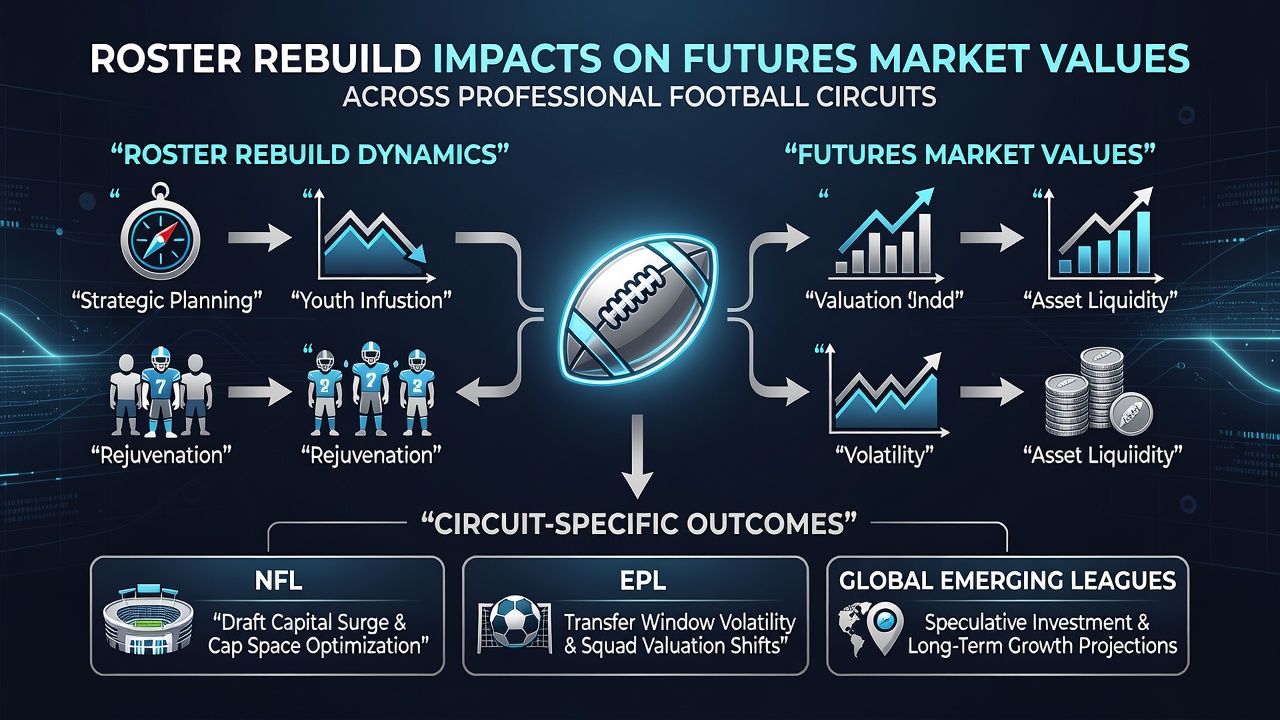
Data Correlations and Predictive Models
Quantitative approaches now integrate transfer data with performance indicators to forecast market reactions. According to reports from the European Commission on gambling market transparency, operators across EU member states recorded increased trading volume on futures contracts immediately following roster announcements in July and August 2026. These volumes concentrated on markets tied to long-term outcomes rather than single-match results.
Correlations emerge between specific rebuild types and futures categories. Defensive restructurings tend to stabilize odds on clean sheet accumulators, whereas forward-line overhauls drive movement in anytime goalscorer propositions. Industry organizations tracking global betting trends note that multi-league parlay products incorporating rebuilt squads require more frequent repricing to maintain balanced liability.
Long-Term Effects on Market Liquidity
Over multiple seasons, repeated roster cycles influence liquidity in futures markets. Leagues with high annual turnover rates attract sustained interest from bettors seeking value in mispriced lines, while circuits emphasizing continuity see steadier but lower-volume trading. Evidence from regulatory filings in Australia and Canada shows that transparency requirements on odds-setting processes have prompted operators to disclose transfer-related adjustments more explicitly.
Those who monitor these markets observe that early August 2026 pricing already embeds assumptions about final squad compositions, yet further movements occur as injury reports and tactical previews emerge. Predictive accuracy improves when models account for both financial outlays and integration timelines for new arrivals.
Conclusion
Roster rebuilds continue to serve as primary drivers of futures market recalibrations across professional football circuits. Statistical evidence from league records, transfer databases, and operator reports confirms that squad changes produce consistent, quantifiable effects on pricing for titles, placements, and individual awards. As the 2026-27 campaigns progress, ongoing monitoring of these relationships will support refined forecasting frameworks used by analysts and market participants alike.