Rhode Island Files Lawsuit Against Kalshi and Polymarket Over Unlicensed Operations

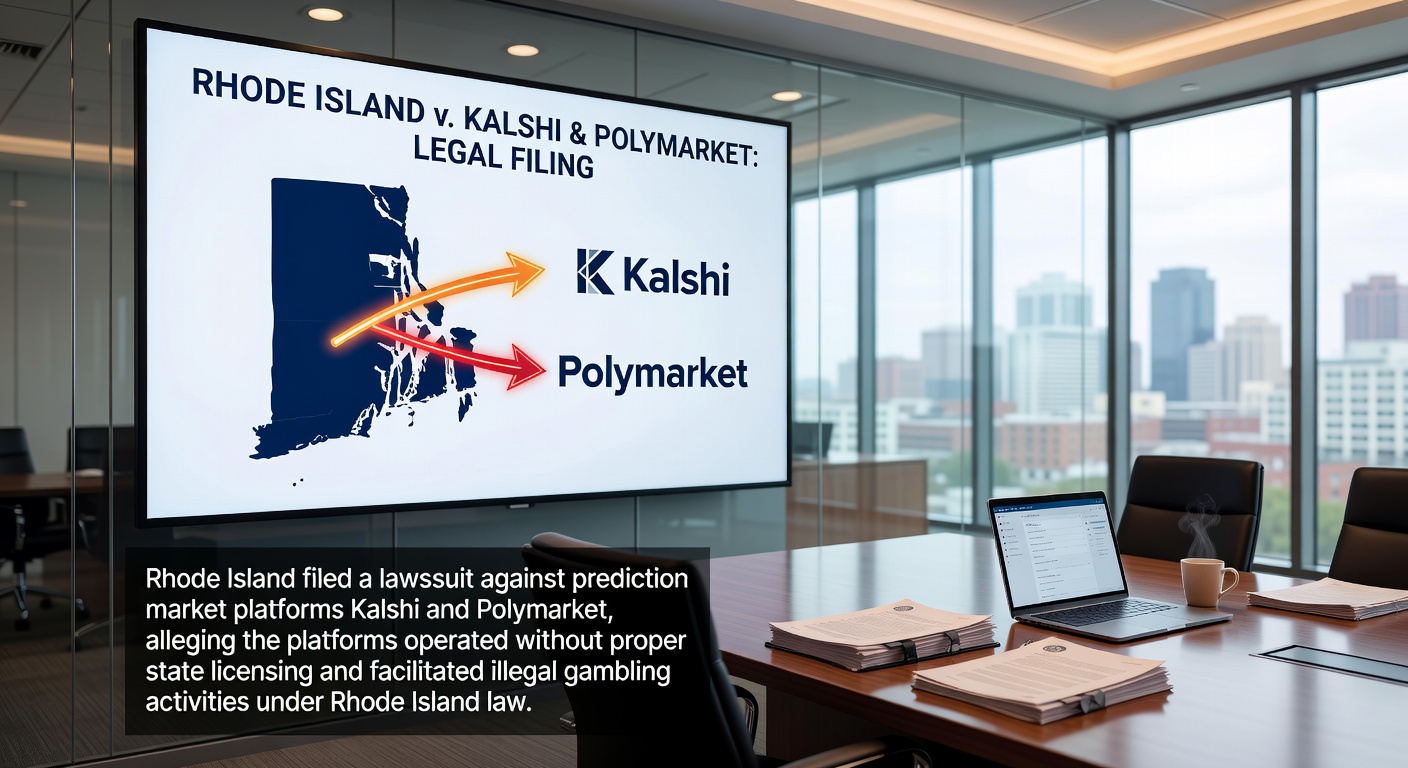
Rhode Island has initiated legal proceedings against the prediction market platforms Kalshi and Polymarket, claiming these operators function without required state licenses while drawing revenue away from the regulated sports betting market that the state oversees, and this action comes at a time when tensions between traditional betting operators and newer market formats continue to shape the U.S. landscape in late May 2026.
Core Allegations in the Filing
The complaint outlines that Kalshi and Polymarket provide contracts tied to sports outcomes without obtaining the approvals that sportsbooks must secure under Rhode Island law, and state officials argue this structure allows the platforms to capture wagers that would otherwise flow through licensed channels subject to taxation and consumer protections. Data from the state's gaming oversight shows sports betting has generated consistent revenue since legalization, yet prediction markets have expanded their reach by offering similar event-based trading that bypasses those requirements. Observers note the lawsuit emphasizes how these platforms operate across state lines while evading local licensing frameworks that apply to established operators.
Kalshi's Counteraction Following the Suit
Kalshi responded by filing its own legal motions and public statements challenging the state's position, asserting that its contracts qualify as event derivatives rather than traditional sports bets and therefore fall outside Rhode Island's sports wagering statutes. Company representatives have pointed to federal precedents that distinguish prediction markets from state-regulated gaming, and this retaliation includes arguments that the lawsuit mischaracterizes the nature of their offerings while ignoring how users engage with broader economic indicators alongside sports events. The back-and-forth has drawn attention from industry participants who track how such disputes influence platform strategies nationwide.
Regulatory Framework and Market Overlap
Rhode Island maintains a controlled sports betting system that channels all legal wagers through approved retailers and online partners, generating tax revenue allocated to public programs, whereas prediction markets allow direct peer-to-peer trading on election results, weather events, and athletic contests without the same intermediary structure. The lawsuit highlights specific instances where sports-related contracts on Kalshi and Polymarket mirror offerings from licensed sportsbooks, creating what state regulators describe as an uneven competitive field. Industry reports indicate that prediction platforms have seen volume growth in recent years, yet they remain subject to varying state interpretations regarding whether their products constitute gaming activity.
Those who have examined the filings note that Rhode Island seeks injunctions to halt the platforms' operations within its borders until proper licensing occurs, and this approach aligns with actions taken by other states confronting similar market entrants. The case also references how Polymarket has expanded its user base through cryptocurrency settlements, a feature that differs from the payment systems used by traditional sportsbooks yet still attracts participants interested in outcome-based trading.
Broader Landscape of U.S. Betting Tensions
Across multiple jurisdictions, regulators have grappled with classifying prediction markets that include sports propositions, and Rhode Island's move reflects ongoing efforts to clarify boundaries between licensed gaming and alternative contract platforms. According to information shared through industry coverage at Covers, such lawsuits often center on revenue allocation and consumer safeguards rather than outright prohibition. Researchers at academic centers focused on gaming policy have documented how these distinctions affect tax collections, while platforms maintain that their products serve informational and hedging purposes distinct from pure wagering.
Additional perspectives come from analyses by groups like the Responsible Gambling Council in Canada, which track cross-border platform activities and note patterns in how states adapt their rules as new formats emerge. The Rhode Island case adds to this record by testing whether existing sports betting laws can encompass prediction market features without new legislation.
Conclusion
The lawsuit and subsequent response from Kalshi underscore the active regulatory negotiations occurring between established sports betting systems and emerging prediction market models in the United States as of late May 2026, with outcomes likely to influence licensing standards and revenue streams in additional states. Stakeholders continue to monitor court proceedings for precedents that may reshape how platforms structure their offerings and how regulators enforce oversight across different contract types.