Kambi Trading Head Highlights AI Rollout and Data Tools for Expanded 2026 World Cup Markets
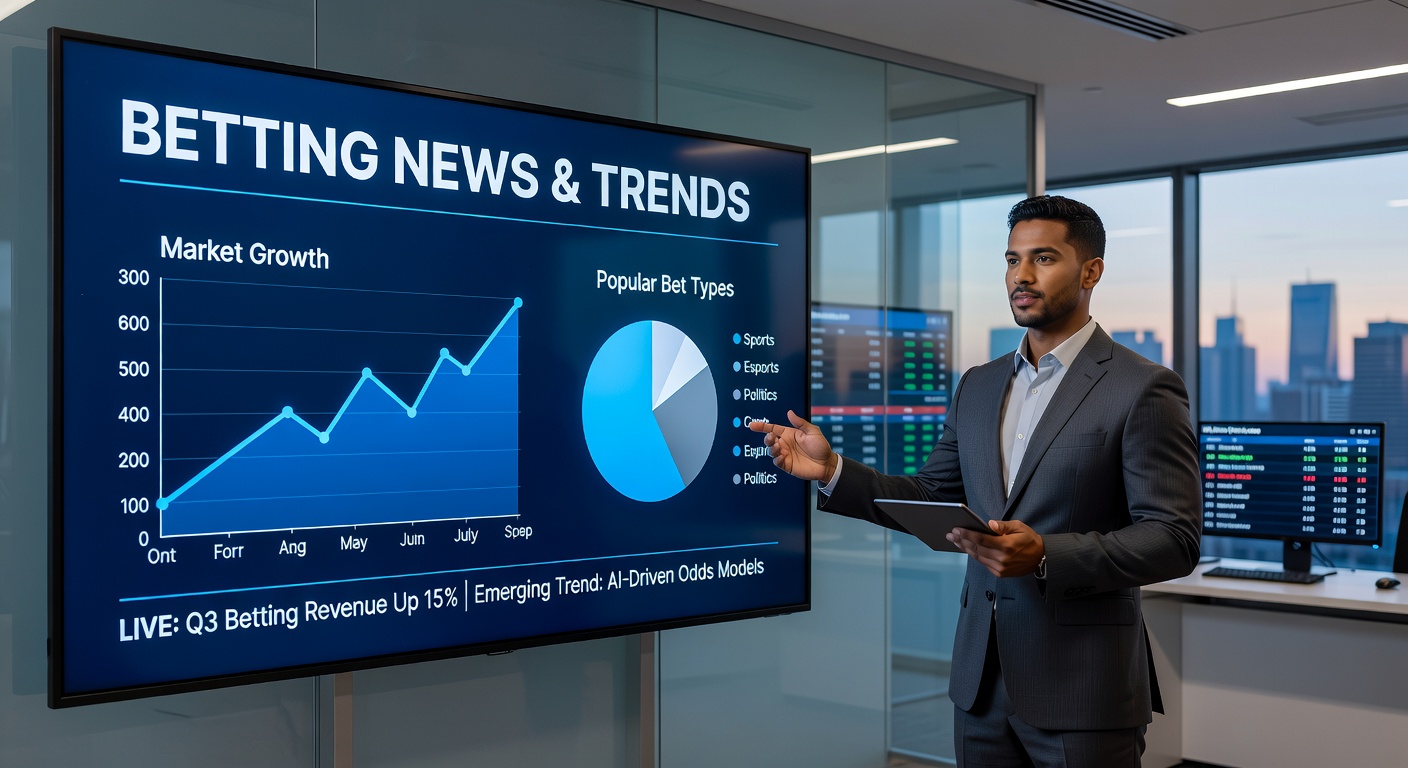 Ryan Hughes, Head of Trading at Kambi, outlined several developments set to shape sports betting operations ahead of the 2026 FIFA World Cup. The expanded tournament format, which includes 48 teams instead of the previous 32, creates additional fixtures and markets that operators can address through technology upgrades and product enhancements. Hughes positioned full deployment of AI-powered trading systems as a central priority, noting how these platforms process live data streams to adjust odds across thousands of selections simultaneously. Data analytics receives parallel emphasis because it supplies the raw inputs that allow trading teams to refine models for player performance and match outcomes during the tournament period.
AI-Powered Trading Systems Reach Full Deployment
Operators gain the ability to scale trading desks without proportional increases in headcount when AI systems handle routine adjustments, while human traders focus on high-impact decisions during peak World Cup windows. The rollout timeline aligns with the June 2026 kickoff, allowing companies to test integrations across pre-tournament qualifiers and friendlies first.
Those who have implemented early versions report faster response times to news events such as lineup changes or weather shifts at match venues across North America. The technology supports both pre-match and in-play markets, which become especially relevant when matches occur in multiple time zones during the group stage and knockout rounds.
Data Analytics Drive Precision in Market Creation
Analytics teams compile granular datasets that cover historical performance, travel fatigue, and squad rotation patterns. Hughes described how these datasets feed directly into pricing engines, enabling more accurate lines on outcomes that previously carried higher margins of error.
Research organizations tracking global betting volumes have documented steady growth in markets that rely on advanced metrics rather than traditional box-score statistics alone. This shift supports operators who want to offer deeper inventories without exposing themselves to unpriced risk during the extended tournament schedule.
Player Props and Bet Builder Tools Expand User Engagement
Player prop markets continue to attract attention because they allow bettors to focus on individual performances rather than match results only. Hughes noted that the 2026 roster expansion increases the pool of available players, which in turn multiplies the number of viable prop options across forward, midfield, and defensive positions.

Bet Builder features let users combine multiple selections into single wagers, such as pairing a goalscorer prop with a corner total or card market. These custom bets have shown higher engagement rates in previous international tournaments, and the larger field in 2026 is expected to accelerate adoption further.
Industry reports from regulatory bodies in Canada and Australia indicate that jurisdictions with established online frameworks already see elevated handle in customizable bet types during major events. Operators can therefore prepare inventory in advance rather than reacting after the tournament begins.
Opportunities for Both Operators and Bettors
The combination of AI trading, enhanced analytics, player props, and Bet Builder tools creates parallel advantages. Operators reduce operational overhead while expanding market depth, and bettors receive more granular choices that match specific interests in star players or under-the-radar contributors.
According to data compiled by international gaming associations, handle during previous World Cups has grown year-over-year even as average margins tightened. The 2026 edition adds fixtures that extend the overall calendar, providing sustained activity across summer months rather than the shorter cycles seen in prior tournaments.
Trading desks that integrate these systems early gain the capacity to monitor cross-market correlations, such as how defensive prop lines interact with total goals markets. This interconnected view becomes valuable when matches occur in rapid succession during the knockout phase.
Conclusion
Hughes framed the upcoming tournament as a catalyst that accelerates existing technology investments rather than requiring entirely new infrastructure. Companies that align AI trading platforms with data-driven prop creation and flexible Bet Builder interfaces stand positioned to capture volume across an extended schedule of 104 matches. The developments discussed reflect measurable trends already visible in smaller international competitions and appear ready for scaled application when the expanded field convenes in 2026.