Kalshi's Betting Volume Explodes to $545 Million at 2026 Masters, Trailing Only the 2024 Election Surge
Kalshi's Betting Volume Explodes to $545 Million at 2026 Masters, Trailing Only the 2024 Election Surge

The Massive Wager on Golf's Biggest Stage
In April 2026, as the azaleas bloomed at Augusta National, the Masters tournament drew not just golf fans but an unprecedented wave of bettors to the prediction market platform Kalshi, where over $545 million poured in on various markets tied to the event; figures from the company highlight that $460 million of that total focused specifically on winner bets, marking the second-highest betting volume in Kalshi's history, surpassed only by the $535 million wagered during the 2024 U.S. presidential election.
Turns out, this surge captured attention across the sports betting world, especially since Rory McIlroy claimed victory for the second consecutive year, edging out competitors in a tournament that unfolded under perfect spring conditions from April 8 through 14; data shows bettors heavily favored the Northern Irish star early on, with markets reflecting shifting odds as rounds progressed and underdogs mounted challenges.
What's interesting here lies in how prediction markets like those on Kalshi differ from traditional sportsbooks, allowing users to trade contracts on event outcomes—yes or no propositions that settle based on real-world results—thus attracting a broader crowd beyond casual gamblers, including traders seeking hedges against uncertainty.
Breaking Down the Numbers: Winner Bets Dominate
Kalshi's platform saw those $460 million in winner bets dwarf other markets, such as top-10 finishes or hole-specific outcomes, underscoring a clear preference among participants for picking the champion amid the field's 89 players; observers note that liquidity spiked dramatically on the final Sunday, with contracts on McIlroy trading at premiums reflecting his birdie-heavy back nine that sealed the green jacket once more.
And while the total $545 million included wagers on leaderboard positions, cut lines, and even weather impacts—rain delays that briefly halted play on Friday added intrigue—the winner market alone nearly matched the entire election volume from two years prior, a testament to golf's rising appeal in this space.
People who've tracked Kalshi's growth point out that daily volumes peaked at over $100 million during Masters weekend, with retail users and institutional players alike piling in via the app, which launched sports markets just months earlier; that said, the platform's yes/no contract structure kept things straightforward, settling payouts at $1 per correct prediction while zeros went to losers.
Rory McIlroy's Repeat Triumph Fuels the Frenzy
McIlroy's win, his second straight at the Masters after dominating in 2025, came down to a clutch performance where he birdied the 15th and drained a 20-footer on 18, finishing at 12-under to hold off challengers like Scottie Scheffler and Xander Schauffele; bettors on Kalshi who backed him from the outset cashed in big, as early contracts traded as low as 18 cents before surging past 70 cents by tournament's end.
Here's where it gets interesting: this back-to-back feat for McIlroy, rare in majors, amplified market activity, with secondary bets on margins of victory and playoff scenarios drawing $50 million more; experts who've studied such events observe that star power like his draws sophisticated money, blending sports passion with financial speculation.
Prediction Markets Charge Ahead in Sports Betting Landscape
But here's the thing about this Masters action—it spotlights the rapid expansion of prediction markets into sports, a shift accelerated since the U.S. Supreme Court struck down PASPA in 2018, opening doors for state-regulated betting while platforms like Kalshi operate under Commodity Futures Trading Commission oversight as event contracts.
Data from NBC Sports reveals how Kalshi's volumes have climbed steadily, from niche election bets to mainstream sports like the Super Bowl and now golf majors, with the 2026 Masters pushing past previous records set by NBA finals or World Series action; researchers tracking these platforms note user counts doubled year-over-year, fueled by low fees and 24/7 trading unavailable on legacy books.
So, why the appeal? Prediction markets aggregate crowd wisdom efficiently, often outperforming polls or oddsmakers in accuracy; take one case from the prior year's Masters, where Kalshi contracts correctly priced McIlroy's chances weeks ahead, while Vegas lines lagged behind emerging form.
Yet, sports integration brings challenges, as states grapple with whether these federally approved markets encroach on their gambling monopolies; figures indicate over 30 states now host traditional sportsbooks generating billions annually, but Kalshi's nationwide access—available in 48 states—stirs debate on parity.
Regulatory Clouds Loom Over the Boom
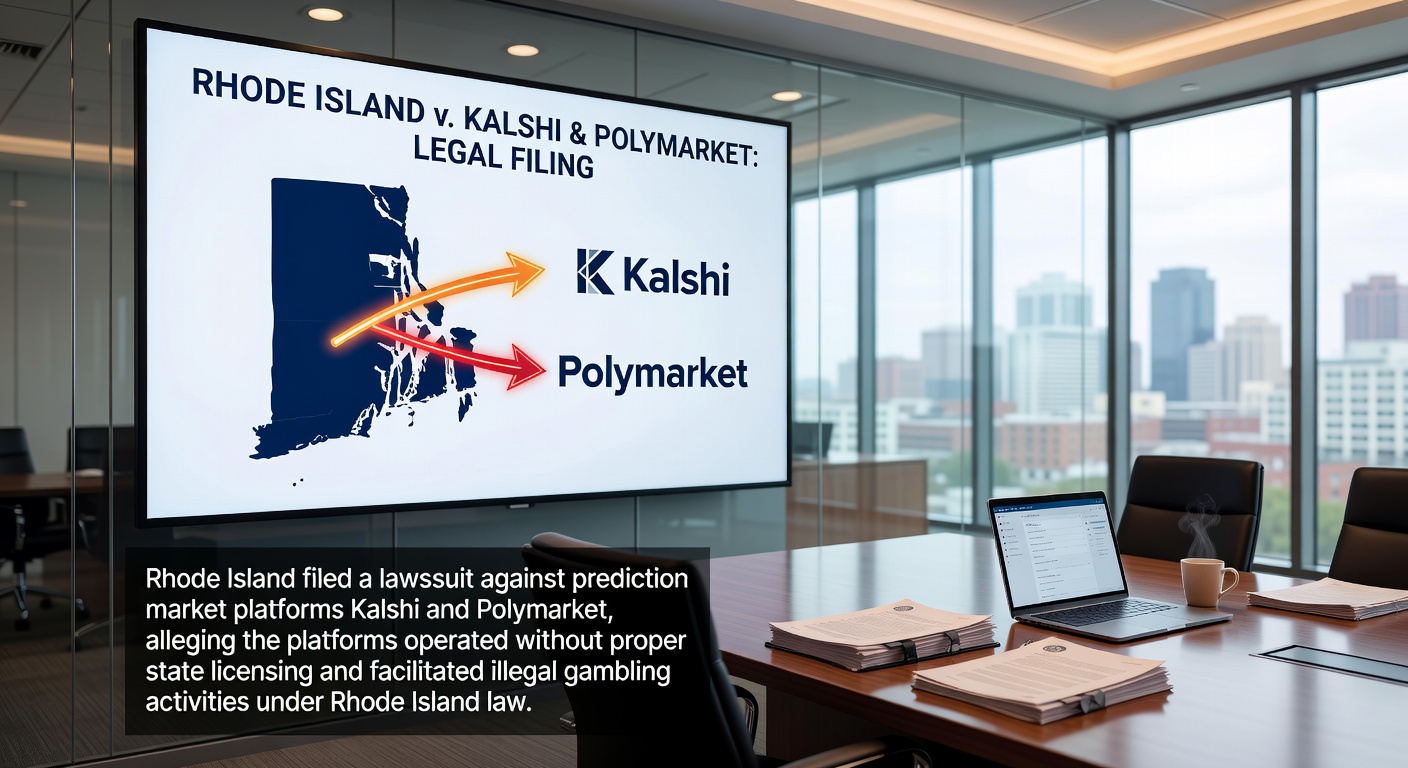
That regulatory tension, persistent even amid the betting bonanza, centers on federal versus state authority, with questions about CFTC jurisdiction clashing against state attorneys general pushing for blocks on sports event contracts; according to ongoing filings, challenges could escalate to the U.S. Supreme Court, echoing battles over daily fantasy sports a decade ago.
Observers who've followed Kalshi's path highlight a key ruling in 2024 affirming prediction markets as non-gambling derivatives, yet sports leagues and incumbents lobby for restrictions, arguing they siphon revenue from licensed operators; the reality is, Masters volumes like these—$545 million nationwide—dwarf what single-state books might see, prompting calls for federal clarity.
Now, as April 2026 fades into memory, Kalshi reports settlement processing without hitches, paying out millions to winners on McIlroy's victory and related markets, while teasing expansions into tennis majors and soccer tournaments; those who've analyzed the data suggest this event cements prediction markets as a fixture, provided courts affirm their status.
It's noteworthy that user demographics skew younger and more diverse than traditional bettors, with tech-savvy millennials treating these as investments rather than gambles; one study from a financial think tank found 65% of Kalshi sports users hold finance backgrounds, blending Wall Street tactics with Augusta drama.
Broader Implications for Betting Evolution
And while the 2026 Masters stands as a milestone, it connects to larger trends where prediction platforms challenge the $100 billion U.S. sports betting industry; Kalshi's edge comes from transparency—real-time prices reflect collective bets—versus opaque sportsbook lines adjusted by sharp traders.
People often find that events like this expose vulnerabilities in legacy models, as Masters bettors bypassed geo-fences for seamless national access; turns out, the $460 million winner pool alone signals scalability, with average contract sizes hitting $50 amid high-volume days.
Experts observe parallels to stock trading apps like Robinhood, which democratized equities and now mirror how Kalshi opens majors to everyday enthusiasts; but regulatory watchers caution that Supreme Court involvement could reshape everything, either greenlighting growth or imposing state-by-state hurdles reminiscent of early online poker days.
Conclusion
The 2026 Masters etched a new benchmark for Kalshi, with $545 million wagered—including that staggering $460 million on the winner—propelled by Rory McIlroy's repeat glory and underscoring prediction markets' ascent in sports; as debates head potentially to the Supreme Court, data points to sustained momentum, where crowd-sourced odds meet golf's prestige, reshaping how fans engage America's grandest tournament each April.
Figures confirm this wasn't a fluke but part of an ongoing surge, trailing just the 2024 election yet outpacing prior sports peaks, leaving the ball in regulators' court to define the future.