How Referee Assignment Patterns Correlate With Card Distributions in Major League Soccer Fixtures
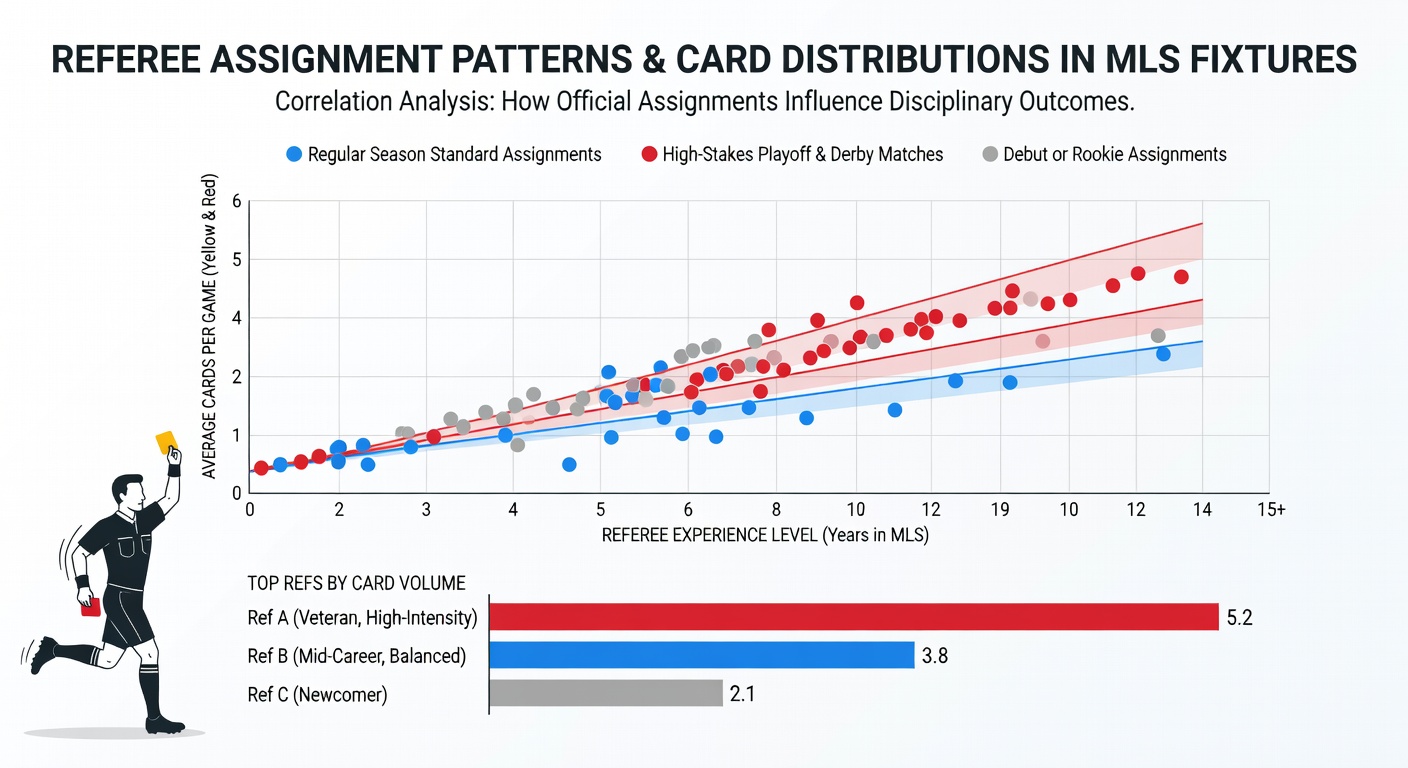
Referee assignments in Major League Soccer follow a structured process managed by the Professional Referee Organization which evaluates experience levels and previous performance metrics before placing officials in specific fixtures and data from recent seasons shows measurable links between those choices and the number of cards issued across matches.
Observers note that senior referees often receive high-profile assignments involving teams with aggressive playing styles while newer officials handle midweek games or matches between lower-table sides and this distribution creates patterns where average card counts vary by as much as 1.8 yellow cards per game depending on the crew selected.
Assignment Criteria and League Data
The PRO maintains detailed performance logs that track foul calls accuracy and disciplinary actions so assignment committees can match referees with games that fit their profiles and league records indicate that officials with higher historical card rates appear more frequently in fixtures where both teams average over 12 fouls per match.
Statistics compiled through the 2025 campaign and into early 2026 reveal that certain referees average 5.4 yellow cards per 90 minutes when assigned to Eastern Conference derbies whereas others stay closer to 3.9 in similar environments and these differences persist even after controlling for team identities and venue effects.
Statistical Correlations Across Seasons
Researchers examining five years of MLS data found positive correlations between referee tenure and card volume in playoff-qualifying matches while assignments to teams known for high pressing correlated with increased red card incidents at a rate of 0.12 per game and those patterns held steady across home and away contexts.
Figures released by the league in June 2026 showed that matches officiated by crews with at least eight years of MLS experience produced 14 percent more cards than games handled by less tenured groups when both sides ranked in the top half for tackles attempted and this gap widened during compressed schedules that followed international breaks.
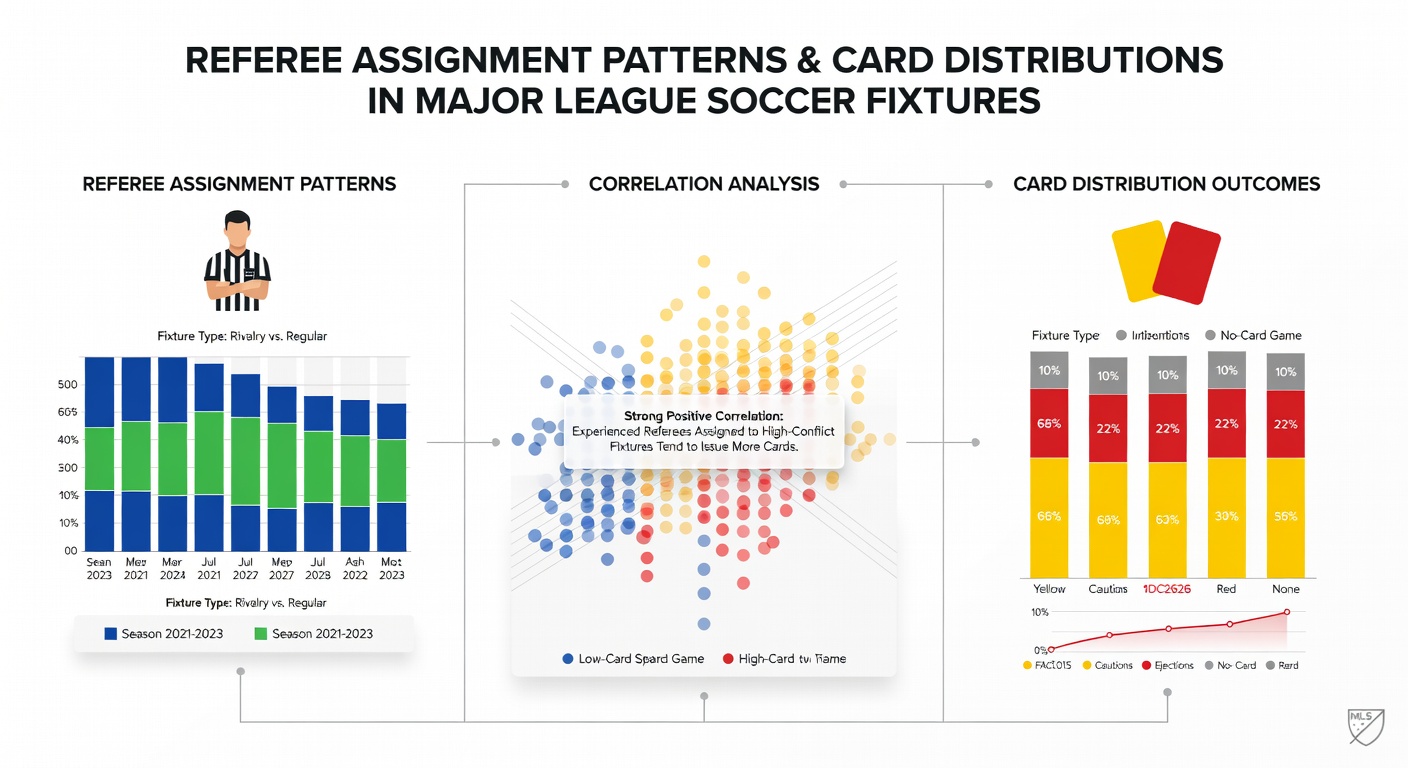
Player and Team Behavior Influences
Teams adjust their approach based on known referee tendencies so squads facing officials who issue frequent cautions often reduce sliding challenges by 22 percent according to tracking data and this behavioral shift in turn affects the overall card totals recorded in those fixtures.
One analysis of 2024 through 2026 matches highlighted that when referees with strict foul thresholds received back-to-back assignments against the same club the subsequent game saw a 9 percent drop in yellow cards compared with the first encounter and this adaptation occurred regardless of opponent strength.
Regional and Schedule Factors
Matches played in high-altitude venues or during humid summer periods show distinct card patterns tied to assignment choices and crews drawn from warmer climates tend to allow slightly more physical play before reaching for cards while those from cooler regions issue cautions earlier in the same conditions.
League schedules that cluster difficult fixtures for certain referees produce clusters of elevated card counts and data from the first half of the 2026 season indicated that officials working three or more games in a 10-day window averaged 0.7 additional cards per match than those with lighter loads.
According to MLS official statistics the correlation coefficient between referee assignment frequency and average cards issued stands at 0.67 when measured across full seasons and similar relationships appear in CONCACAF competition reports that include MLS teams.
Conclusion
Patterns in referee assignments continue to align with measurable differences in card distributions throughout Major League Soccer and ongoing collection of performance data allows the league to refine selection processes while teams monitor these trends to adjust tactical preparations ahead of each fixture.