CFTC Initiates Investigation into Polymarket Operations and Marketing Claims
The U.S. Commodity Futures Trading Commission has opened an extensive investigation into Polymarket, the prediction market platform, with examiners focusing on the company's core operations alongside its social media campaigns and promotional tactics, adn this development follows a Wall Street Journal report that described instances where the firm allegedly deployed fabricated bets along with invented winnings to support influencer partnerships. Observers note that the probe aligns with wider regulatory attention directed at prediction markets in general, while several senators have publicly urged stronger federal oversight mechanisms to address emerging platforms in this space.
Those familiar with the matter indicate the CFTC action centers on whether Polymarket's activities crossed into areas requiring registration or specific disclosures, and examiners appear to be gathering records that cover both trading volumes and the methods used to attract new users through online promotions. Data from similar oversight efforts shows regulators often examine marketing claims when platforms handle event-based contracts that resemble financial instruments, and this case includes scrutiny of how simulated outcomes were presented to audiences on social channels.
Details Behind the Wall Street Journal Allegations
According to coverage in the Wall Street Journal, Polymarket supposedly created artificial bets and overstated winnings in campaigns involving influencers, and these practices reportedly aimed to build perceived credibility around certain markets or to generate buzz during high-profile events. The report cited internal communications and transaction patterns that suggested some activity did not reflect genuine user participation, while the platform has not issued a detailed public response beyond general statements affirming cooperation with authorities.
Experts who track prediction market trends point out that such allegations can trigger deeper reviews because platforms like Polymarket operate at the intersection of event contracts and public sentiment indicators, and any discrepancy between marketed results and actual trading data raises questions about transparency standards. Figures shared in regulatory briefings reveal that Polymarket has handled billions in volume across election cycles and sports outcomes, which places additional emphasis on accurate representation of user engagement metrics.
Scope of the Current CFTC Examination
The CFTC probe encompasses a review of Polymarket's trading infrastructure, user verification processes, and the specific social media initiatives flagged in the news coverage, and agency staff have begun requesting documentation that spans multiple quarters of activity. Those following the case note that investigators are also assessing whether any contracts offered on the platform required additional oversight under existing commodity rules, particularly when marketing materials highlighted rapid returns or high engagement levels.
Broader regulatory scrutiny of prediction markets has intensified over the past year, with officials examining how these platforms manage risk disclosure and prevent misleading promotions, and the Polymarket matter now serves as one focal point within that larger effort. Senators from both parties have issued statements calling for legislative updates that would clarify federal authority over event contracts, and their correspondence references the need for consistent standards across states and platforms.
Timeline and Related Developments Through Mid-2026
As of June 2026 the investigation remains active, with agency personnel continuing to collect information from Polymarket and third-party partners, and no formal charges or settlement announcements have surfaced in public records. Observers familiar with CFTC processes indicate that examinations of this scale typically involve iterative requests for data followed by internal analysis, which can extend over several months before any enforcement recommendations emerge.
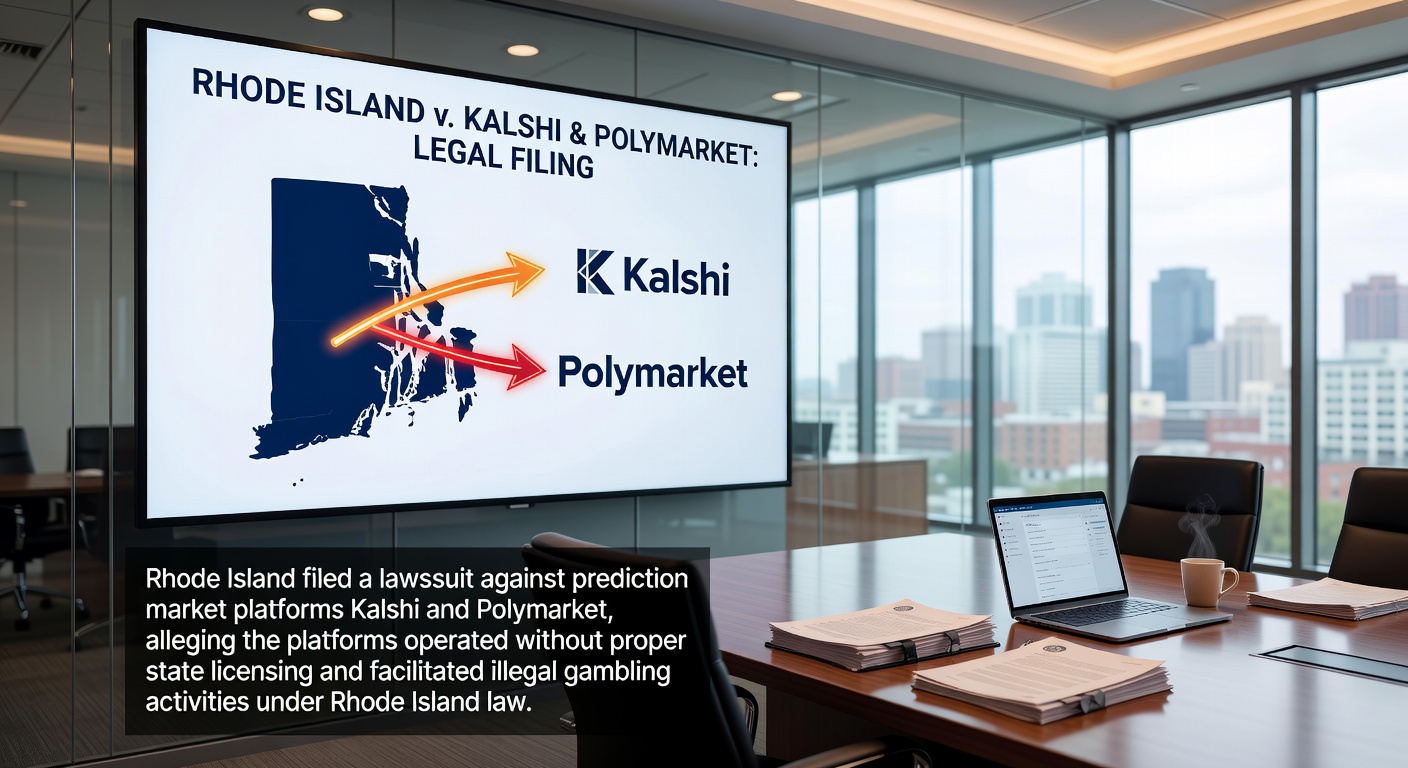
Related state-level actions have also appeared, including filings that question whether certain platforms hold necessary licenses for operating within specific jurisdictions, and these cases often reference the same marketing concerns raised at the federal level. Researchers who study regulatory patterns note that overlapping reviews from multiple agencies can produce coordinated outcomes, especially when platforms scale quickly across user bases.
Context Within Prediction Market Oversight
Prediction markets have drawn increased attention because they aggregate public forecasts on political, economic, and entertainment events, and regulators have historically evaluated whether these contracts function more like derivatives than simple wagers. The current Polymarket examination fits into that framework, and examiners are reportedly comparing the platform's practices against prior guidance issued for similar venues.
Those who've studied enforcement trends observe that marketing campaigns receive particular focus when they involve third-party promoters, since fabricated performance data can influence user decisions and overall market perception. The Wall Street Journal reporting provided specific examples that appear to have accelerated the CFTC's timeline, although the agency maintains its own independent review standards separate from media accounts.
Conclusion
The CFTC investigation into Polymarket continues to unfold amid ongoing discussions about federal oversight of prediction platforms, and outcomes from this case may shape compliance expectations for other operators in the sector. Updates are expected as examiners complete their review of operational records and promotional materials, while industry participants monitor developments for signals about future regulatory approaches.